Beyond the Ballot Box: Judicial Wins and Special Election Over performances
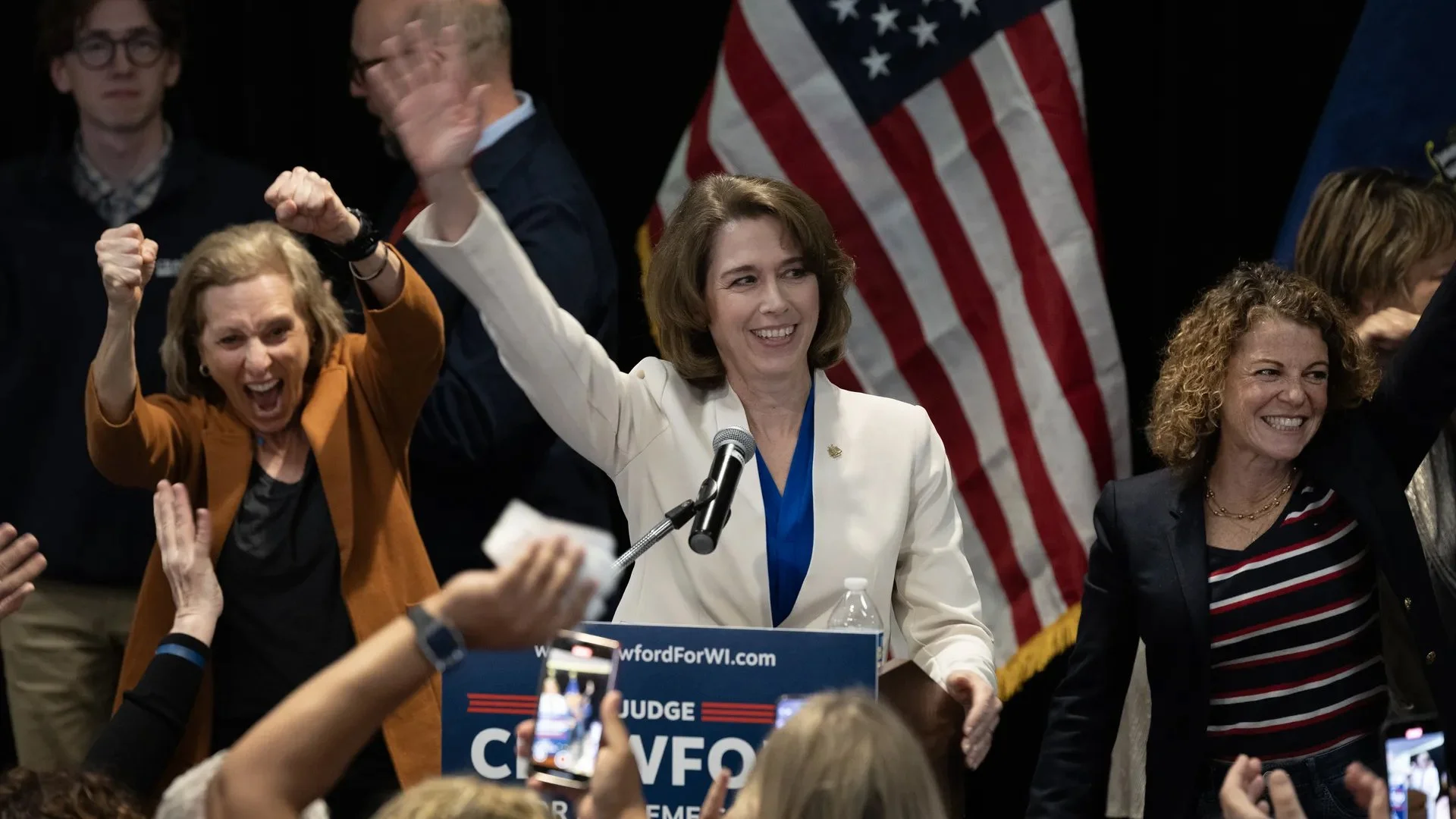
In modern campaign strategy, state supreme court races and special elections serve as the ultimate stress test for political infrastructure. Throughout 2025 and 2026, state Democratic parties demonstrated that year-round organizing pays dividends far beyond traditional November general elections.
The most decisive judicial clash occurred in April 2025 during the high-stakes Wisconsin Supreme Court election. Liberal candidate Susan Crawford defeated conservative Brad Schimel 55% to 45%, preserving the 4–3 progressive majority on the state’s highest bench, as detailed in the Wikipedia Election Summary. Organized state efforts mobilized voters in both urban hubs and rural communities, enabling Crawford to carry 23 counties—including 10 carried by the GOP in the previous presidential cycle. As highlighted by 19th News Analysis, the win cemented critical judicial protections for voting rights and reproductive freedoms in an essential swing state.
This momentum carried directly into legislative special elections across the map. Data compiled on the Ballotpedia Special Election Tracker shows that state Democrats consistently outperformed baseline margins by double digits, flipping key seats in legislative chambers in Iowa and Georgia. Through active precinct operations and high-turnout voter contacts, state parties proved that staying active between major national cycles transforms temporary campaign energy into durable structural power that’s there when the cameras leave.